


Page 152 - TBE_Book_V2_2019
P. 152
Chapter 8: TBE in animals


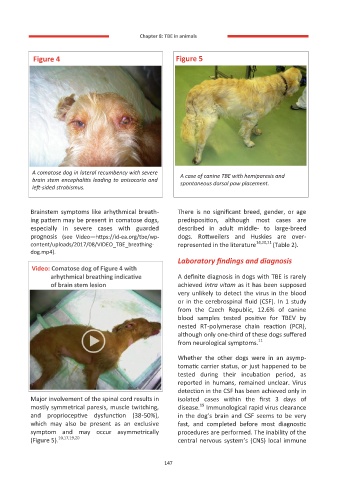
           Figure 4                                  Figure 5


           A comatose dog in lateral recumbency with severe   A case of canine TBE with hemiparesis and
           brain stem encephalitis leading to anisocoria and
                                                      spontaneous dorsal paw placement.
           left-sided strabismus.

          Brainstem symptoms like arhythmical breath-  There  is  no  significant  breed,  gender,  or  age
          ing pattern may be present in comatose dogs,   predisposition,  although  most  cases  are
          especially  in  severe  cases  with  guarded   described  in  adult  middle-  to  large-breed
          prognosis  (see  Video—https://id-ea.org/tbe/wp-  dogs.  Rottweilers  and  Huskies  are  over-
          content/uploads/2017/08/VIDEO_TBE_breathing-  represented in the literature 14,20,21  (Table 2).
          dog.mp4).
                                                      Laboratory findings and diagnosis
            Video: Comatose dog of Figure 4 with
                arhythmical breathing indicative      A definite diagnosis in dogs with TBE is rarely
                of brain stem lesion                  achieved intra vitam as it has been supposed
                                                      very unlikely to detect the virus in the blood
                                                      or in the cerebrospinal fluid (CSF). In 1 study
                                                      from  the  Czech  Republic,  12.6%  of  canine
                                                      blood  samples  tested  positive  for  TBEV  by
                                                      nested  RT-polymerase  chain  reaction  (PCR),
                                                      although only one-third of these dogs suffered
                                                                              11
                                                      from neurological symptoms.

                                                      Whether  the  other  dogs  were  in  an  asymp-
                                                      tomatic carrier status, or just happened to be
                                                      tested  during  their  incubation  period,  as
                                                      reported  in  humans,  remained  unclear.  Virus
                                                      detection in the CSF has been achieved only in
          Major involvement of the spinal cord results in   isolated  cases  within  the  first  3  days  of
                                                            19
          mostly symmetrical paresis, muscle twitching,   disease.  Immunological rapid virus clearance
          and  proprioceptive  dysfunction  (38-50%),   in  the  dog’s  brain  and  CSF  seems  to  be  very
          which  may  also  be  present  as  an  exclusive   fast,  and  completed  before  most  diagnostic
          symptom  and  may  occur  asymmetrically    procedures are performed. The inability of the
          (Figure 5). 10,17,19,20                     central  nervous  system’s  (CNS)  local  immune


                                                  147
                                                  147

